Demystifying Anaesthesiology through Public Science Engagement
The medical field is a broad one covering many specialties as there are organs in the human body. Specialist physicians such as neurologists,ophthalmologists, nephrologists and endocrinologists exist to attend to and address specific medical concerns of patients. One of such specialists, an anesthesiologist, plays a central role in alleviating pain experienced during medical surgeries. Naturally, there are many questions about anaesthesiology and its processes. In a bid to demystify this medical field and bring valuable knowledge to patients, students and parents alike, we engaged one of Ghana’s leading experts in anesthesiology, Dr Irene Adorkor Wulff in the September 2021 edition of Science Cafe. Leading the discussion, we explored how this field of medicine contributes to quality healthcare delivery.
The session began with a fun and educational Kahoot game where participants answered some general questions on science.
Speaking on the topic, Dr Irene Adorkor Wulff explained anesthesia as a state of controlled temporary loss sensation or awareness induced for medical purposes. The topics she discussed included the need to see an anesthesiologist before surgery, anesthetic technique, giving consent before anesthesia and complications to expect.
Dr Wulff indicated that anesthesia was not a painful medical activity so one needed to feel no pain whether awake or asleep when going through the process. She however said there could be slight pain after surgeries.
A good anesthetic technique should completely abolish pain. When you are asleep you should not be aware of what is happening around you
Dr Irene Adorkor Wulff
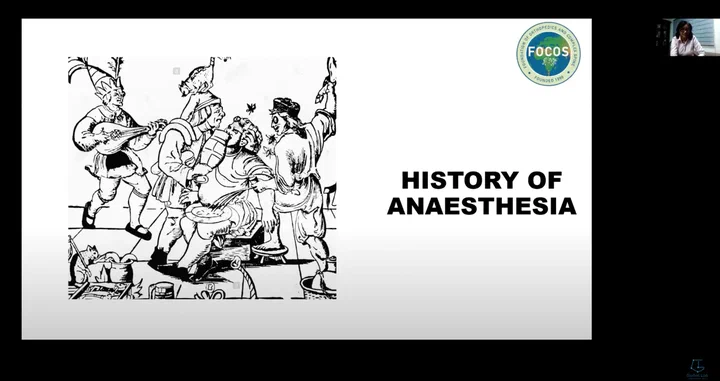
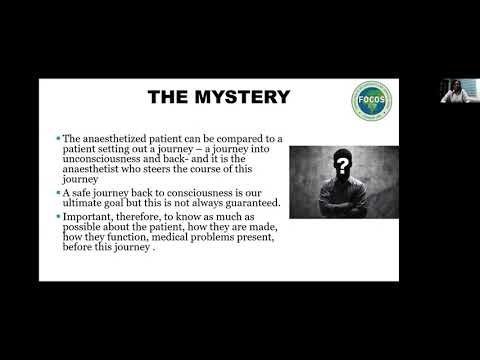
She assured the participants that anesthesia was safe because it was controlled, saying “there is somebody in charge who is making sure that you are fine and safe”. Dr Wulff said anesthesia was temporary as the patient wakes up after the process is carried out. She explained and likened anesthesia to someone who was travelling to an uncertain place and did not know when he or she would be back. “It is the same with anesthesia. It is our ultimate goal as anesthesiologists to ensure the patient has a safe journey back to consciousness. Anesthesia is irreversible and as safe as possible,” she said.
Elaborating on how safe the anesthesia was, Dr Wulff said before a patient was given an anesthesia, his or her body system, including how the heart, lung and the kidneys functioned, was assessed. After that, “we plan how we will take the patient on the trip and bring him or her back”.
She mentioned that it was the responsibility of an anesthesiologist to know the equipment s/he would use and know the medication s/he would give as well as know the techniques of anesthesia and the one suitable for a patient.
There are different ways you can approach a surgical operation but you must choose one which matches the surgical procedure, patient and resources
Dr Irene Adorkor Wulff
Dr Wulff also said an anaesthesiologist must have an expertise in resuscitation stressing that nobody should take a patient on an anaesthesia journey if they could not resuscitate. She added that there was the need for anesthesiologists to monitor meticulously, pay attention to details, listen to beeps and understand what changes in beep mean.
She, further, said before a surgery, the patient needed to inform the anesthesiologist about previous anesthesia and any complications, if any. Other things she said a patient needed to disclose were coexisting illnesses, current medication being taken and medication allergies adding that a patient should also disclose whether or not s/he smokes or drinks alcohol.
Meanwhile, Dr Wulff added that the patient also had the right to know all there is s/he needed to know before receiving an anesthesia. She said the patient must give a consent or permission before continuing with the anesthesia
Dr Wulff further mentioned some of the common complications experienced as side effects of anesthesia. These included headache, nausea and vomiting, chills and shivering and muscle pain. She encouraged individuals to debunk mysteries associated with anesthesia because anesthesia “is all based on sound scientific principle”.
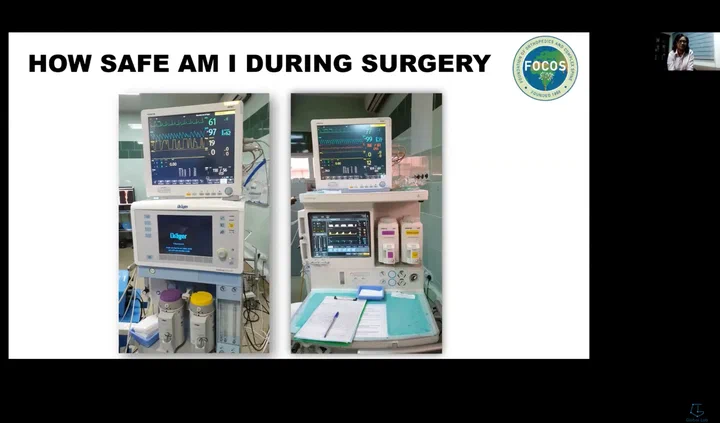
Technology has allowed us to keep you very safe during surgery
Dr Irene Adorkor Wulff
At the end of the session, participants gained an appreciable understanding of what anesthesiology is, why it is important to see an anesthesiologist before having a surgical procedure, the important information to provide to an anesthesiologist and quality and safety in the perioperative period.
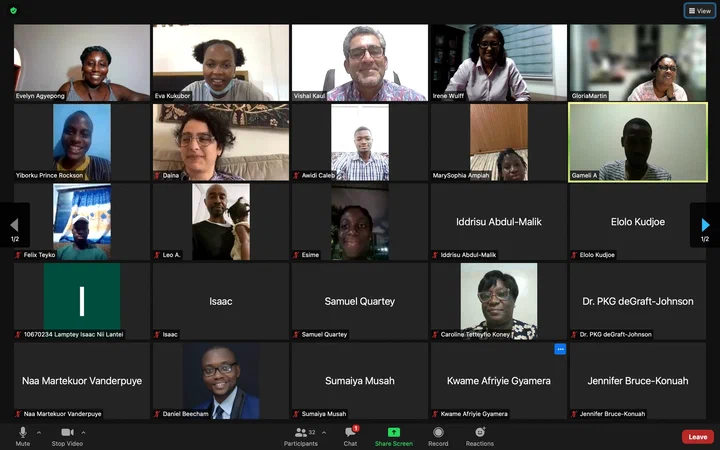
The September edition of Science Cafe was attended by students, professionals and individuals from different countries and varying medical backgrounds. This diverse pool of individuals afforded each participant the opportunity to learn from not only the speaker but the audience.
 Play video: Video from “Demystifying Anaesthesiology through Public Science Engagement”
We want you to share your work or research with us. You’re welcome to propose a session via this link. There is a community of professionals and students waiting to hear from you! Follow us on Twitter and on YouTube to stay updated on our events.